
Evacuation vs Invacuation – What’s the Difference?
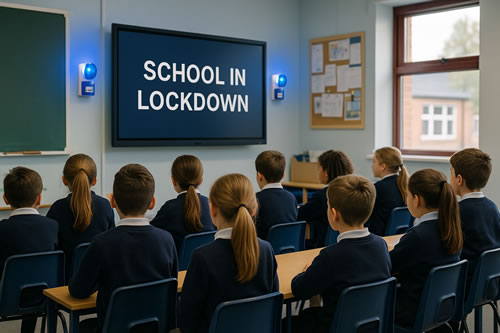
Every second counts in an emergency, but the right response depends upon what kind of threat you’re dealing with. For years, schools and workplaces have focused on evacuation plans, but growing awareness of Martyn’s Law-the UK’s upcoming Protect Duty-has made invacuation and lockdown systems similarly essential. So, what’s the difference, and how do both fit into a modern safety strategy? Evacuation: Getting Everyone Out Safely Evacuation is the means whereby people are moved away from danger-usually to an assembly point outside the building. It is essential in cases of fire, gas leaks, or any other structural hazards that may pose great risks if remaining indoors. These will usually include: Yet not every threat calls for leaving the building and in some cases going outside only increases risk. Invacuation: Safety Within Invacuation, or “reverse evacuation”, means moving people into a safer internal location when the threat is outside. It’s most relevant for situations such as: An invacuation or lockdown system provides staff with the capability of immediately alerting, securing, and accounting for everyone indoors. Automated lockdown alerts, door controls and two-way communication can all form part of an integrated system that reduces confusion and speeds up response times. Why Lockdown Systems Matter As per Martyn’s Law, schools and public venues will soon be under a legal duty to protect pupils, staff and visitors against terrorism and serious threats. In other words, that means being able to respond effectively — whether by evacuating or locking down. A properly designed Lockdown solution: Evacuation and invacuation are not competing strategies; they’re the two sides of the same safety plan. By putting both together with a robust lockdown system, schools will be able to respond flexibly to whatever type of threat that might occur and protect everyone on site, while meeting the standards set by new legislation. If you would like expert help in selecting or upgrading your lockdown solution for your school, we can guide the design of a system to suit your site and safeguarding needs. Speak to us today for a consultation and see how we can help you become compliant.
SEN vs Standard School Lockdown Systems – What’s the Difference?
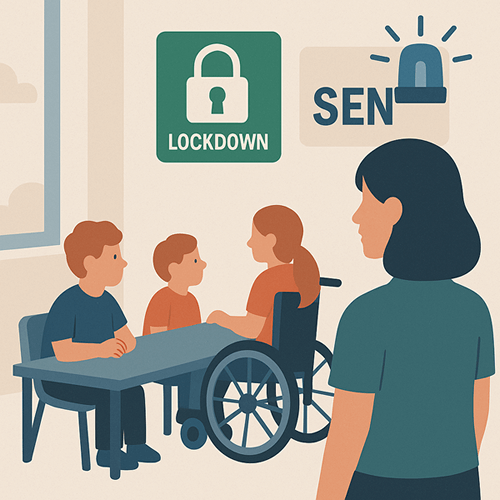
Every school needs a reliable method of keeping their staff and pupils safe in an emergency. However, for SEN schools, a one-size-fits-all lockdown system simply does not work. With Martyn’s Law making protective security a legal duty, it is now more important than ever to understand the differences in lockdown systems in SEN and mainstream settings. What a Standard School Lockdown System Looks Like In most schools, a standard lockdown system allows staff to: These systems are designed for rapid, building-wide responses. But in SEN environments, factors like sensory sensitivities, mobility needs, and one-to-one support mean the system must work differently. Lockdown Adaptation for SEN Schools An SEN lockdown system should prioritize clarity, calmness, and accessibility. Adaptations to include: It is not just about compliance; the aim is to ensure every pupil and member of staff feels safe, supported, and understood in a high-stress situation. How Martyn’s Law Reinforces the Need for Adaptable Systems Martyn’s Law will require schools to assess the risks and prepare proportionate protective measures, which for SEN schools equates to demonstrating that lockdown systems are effective and inclusive. With adaptable, user-friendly lockdown technology, schools can deliver on legislative expectations and reinforce safeguarding policies without causing undue alarm among students. Every school-whether mainstream or SEN-deserves a lockdown system that’s intuitive, clear, and keeps everyone safe. By focusing on accessibility, staff training, and compliance right from the start, schools can create safer environments that meet the standards Martyn’s Law confidently sets. For assistance with assessing or improving your school’s lockdown program, our experts will help tailor a solution to meet the unique needs of your site. Get in touch today!
Martyn’s Law: How Audiebant Helps You Stay Prepared
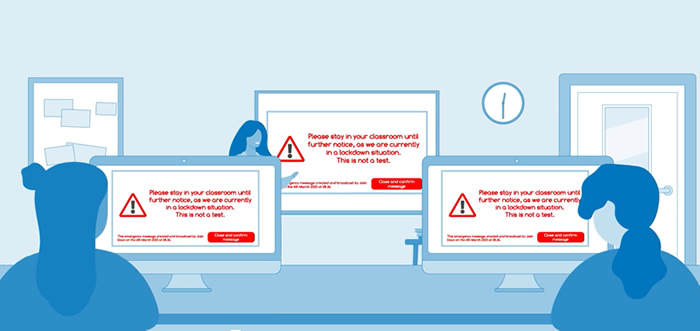
It is all of our responsibility to ensure public safety, and Martyn’s Law (or the Protect Duty) is making organisations take a more active role in protecting the public. The new law will require public areas and facilities to have emergency plans and communication systems directly in place. That’s where Audiebant comes in. Their intelligent audio solutions deliver immediate, clear live and pre-recorded safety messages, so that anyone in a building will have instructions on what to do in the event of an emergency. Unlike traditional PA systems, Audiebant solutions integrate with your existing AV and building infrastructure to facilitate fast, directed announcements without confusion. From fire alarm, lockdown announcement or evacuation warning to automated or manual trigger of messages, reaction times are faster and instructions ring out clear as a bell. With our AV integration solution, we partner with Audiebant to assist organisations in Martyn’s Law preparedness through the creation of strong, compliant and easy-to-use audio systems that are compliant with modern safety standards. If you run a public venue, school, workplace or events space, it’s time to review your safety communication policy. Talk to our team today to learn how to implement Audiebant solutions to stay confident in fulfilling Martyn’s Law requirements.
Why School Lockdown Systems Are Essential for Student Safety in the UK
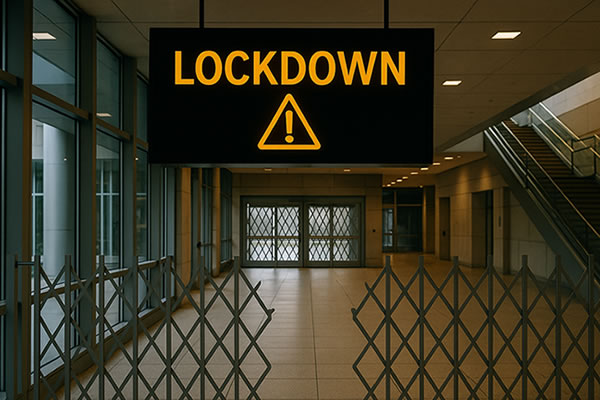
In today’s world, ensuring the safety of students and staff has never been more critical. With the implementation of Martyn’s Law, UK schools and colleges must take proactive steps to prepare for potential threats, both internal and external. One of the most effective ways to do this is by implementing a robust school lockdown system. What Is a School Lockdown System? A school lockdown system is an emergency communication solution designed to help schools respond quickly and effectively to serious incidents. These systems allow designated staff to send instant alerts and clear instructions across the site to protect lives during critical situations. Whether the threat comes from outside the grounds, within the school perimeter, or inside a building, the response may vary but the need for rapid, unambiguous communication is universal. Types of Lockdown Procedures In the UK, schools often use a combination of the following protocols, depending on the nature of the incident: Having the right system in place ensures these instructions can be delivered clearly and quickly to the right people, without delay or confusion. Why UK Schools Must Take Action Now New legislation under Martyn’s Law requires education providers to assess and improve their preparedness for terrorism-related incidents. Beyond compliance, the moral obligation to protect students and staff means investing in the right tools to act fast in an emergency. Unfortunately, many schools still rely on outdated or manual methods for communication, such as phones, tannoys, or verbal relays. These approaches are often too slow or unreliable during high-stress events, increasing the risk of miscommunication and delayed response. The Role of Mass Communication Technology Modern mass communication systems give schools the power to send site-wide or targeted alerts instantly via multiple channels, audio, visual and digital. This ensures every student, teacher and support staff member knows exactly what to do, wherever they are on campus. With the right solution in place, schools can: How We Can Help We specialise in providing advanced school lockdown and mass communication systems tailored for UK education settings. Our technology enables fast, reliable and targeted communication during emergencies, whether you need to lock down, evacuate, or initiate an invacuation. From system design to installation and staff training, we support your school every step of the way in building a safer, more responsive environment. Get in touch today to learn more about how our emergency communication solutions can help your school stay prepared, compliant and protected.